
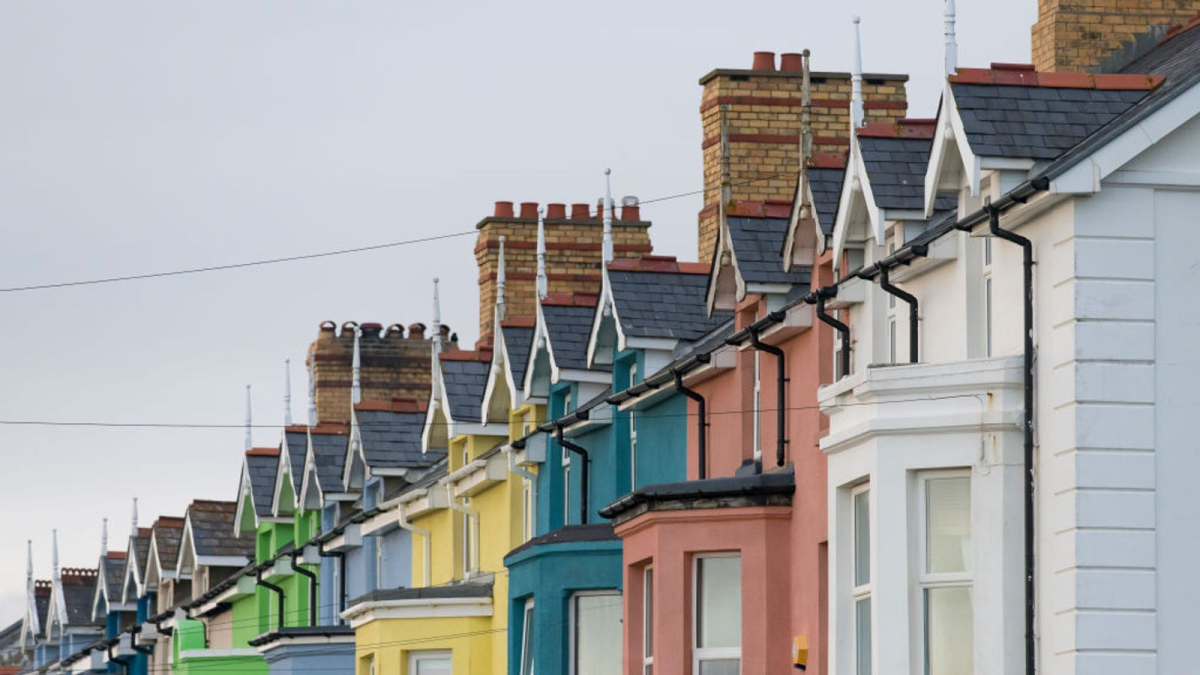
After years of sluggish activity, the UK country house market is showing signs of revival. In June 2025, deals for rural homes priced over £750,000 rose by 7% compared with the same month last year. This upswing follows an extended slump that saw average country house prices decline by 3.5% in the three months to June—a sharper fall than the 1.6% drop recorded in the year to March. With more properties coming onto the market and pricing strategies attracting renewed buyer interest, experts believe the coming months could see further momentum.
Market Trends and Data Highlights
- Increased Supply: The number of country homes listed for sale in Q2 2025 was 9% higher than in Q2 2024, giving buyers more choice and negotiating power.
- Buyer Demand: Despite the rise in listings, there were only 5.9 potential buyers per new instruction, down from nearly 19 during the peak “race for space” of 2020–21—marking the most favourable buyer’s market since Q2 2018.
- Five-Year Growth: Over the past five years, house prices in predominantly rural areas have climbed 23%, outpacing urban growth of 18%.

UK country house
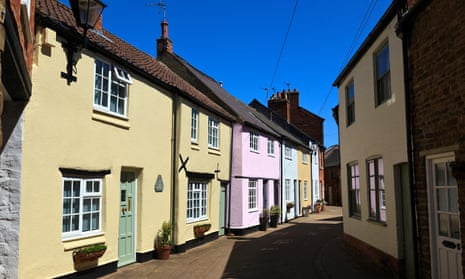
What’s Driving the Revival?
- Price Corrections: After peaking in 2021–22, country house prices have been realigning with buyer expectations. If pricing is set competitively, buyers are quick to act.
- Second-Home Owners: Changes in council tax—allowing Welsh councils to quadruple and English councils to double rates on second homes—have prompted owners to sell, boosting supply in popular holiday areas.
- Stamp Duty Cliff-Edge: Revisions to stamp duty thresholds earlier this year accelerated listings and transactions, as buyers rushed to complete purchases before allowances changed.
- Reactivated Plans: Political upheaval last year put many moves on hold; now, as uncertainty fades, buyers are returning to the market.
Regional Spotlight: Where Country Homes Are in Demand
- Tewkesbury (Gloucestershire): The top-performing rural authority in 2024, with prices up 11% to an average of £334,361.
- South Oxfordshire (South East): A 9% annual rise to £484,364, driven by its proximity to Oxford and London commuters.
- North Yorkshire: Average prices climbed 5% to £276,027, reflecting growing interest in affordability and scenery.
- Cornwall & Devon: Coastal tax-change effects have led to mixed performance, with some hotspots seeing price falls, while inland villages remain buoyant.
Outlook: What to Expect Next
- Price Growth Forecasts: Industry forecasts have been upgraded to around 3–4% growth for 2025, with northern and mid-market regions leading due to livability and value.
- Mortgage Rates & Affordability: Any interest rate cuts by the Bank of England could spark further demand, though ongoing household budget concerns may temper rapid price rebounds.
- Policy Impacts: Further council tax adjustments or rural-focused housing schemes could influence supply levels, impacting buyer competition.

UK country house

FAQs of UK country house
- What defines a UK country house?
A UK country house for this analysis is defined as a rural property valued at £750,000 or more, typically located outside major urban centres. - Are UK country house prices still falling?
Prices declined 3.5% in the three months to June 2025, but this is viewed as a healthy market correction rather than a long-term downtrend. - Should buyers act now or wait?
Current conditions—with just 5.9 buyers per listing—favor purchasers, giving them strong negotiating power. However, anticipated interest rate cuts and renewed demand suggest buying soon may be advantageous. - Which regions offer the best value?
Northern rural areas and mid-market southern counties like Gloucestershire and Oxfordshire combine affordability with strong amenities, often outperforming more expensive coastal locales. - How do council tax changes affect supply?
Higher levies on second homes have led owners in Wales and popular tourist areas to list properties, increasing market inventory and giving local buyers more options.
The recent uptick in UK country house transactions—fuelled by price corrections, policy shifts, and pent-up demand—signals a meaningful recovery in the rural housing market. With forecasts pointing to modest price growth and buyer-friendly conditions, 2025 could indeed mark the true “comeback of the countryside.” Whether you’re seeking a second home, investing in rural real estate, or relocating full-time, understanding regional nuances and timing your purchase wisely will be key to capitalising on this revitalised market.
click here for more