
One of the most common reasons landlords put off making a Let Property Campaign disclosure isn’t reluctance — it’s fear that they simply don’t have the paperwork to back it up. Old tenancy agreements have been lost, bank accounts have been closed, and receipts for repairs from six years ago were never kept. Missing rental records do not necessarily prevent an HMRC disclosure. HMRC’s Let Property Campaign guidance allows a landlord with incomplete records to use a best estimate, provided the figures are explained and the calculations are kept. This is a practical option, not a promise that HMRC will accept every estimate without questions.
Missing paperwork doesn’t have to hold up your disclosure. Book a free 15-minute consultation with Felix Accountants and we’ll help you map out exactly what you can reconstruct. Grab a free slot here.
Why Missing Records Are So Common Among Landlords Disclosing Under the LPC
Most landlords who end up using the Let Property Campaign weren’t running a professional letting business from day one. Many became landlords by accident — inheriting a property, relocating for work, or renting out a former family home — and never set up formal bookkeeping. Years later, when it’s time to disclose, bank statements have often been archived beyond easy online access, letting agents have changed hands, and receipts were simply thrown away. This is normal, and it’s exactly the scenario HMRC’s disclosure process is built to accommodate.
Start With What You Can Actually Access
Before assuming records are gone for good, it’s worth checking a few sources that are often more complete than landlords expect:
- Online banking archives: most UK banks retain digital statements for 6–7 years and can often provide older statements on request, sometimes for a small fee
- Letting agent portals or year-end statements: agents typically issue annual income summaries, which are far easier to request than reconstructing every transaction
- Mortgage statements: useful for establishing the interest paid, which is a major allowable cost
- Insurance renewal documents: confirm landlord insurance costs and the dates the property was actually let
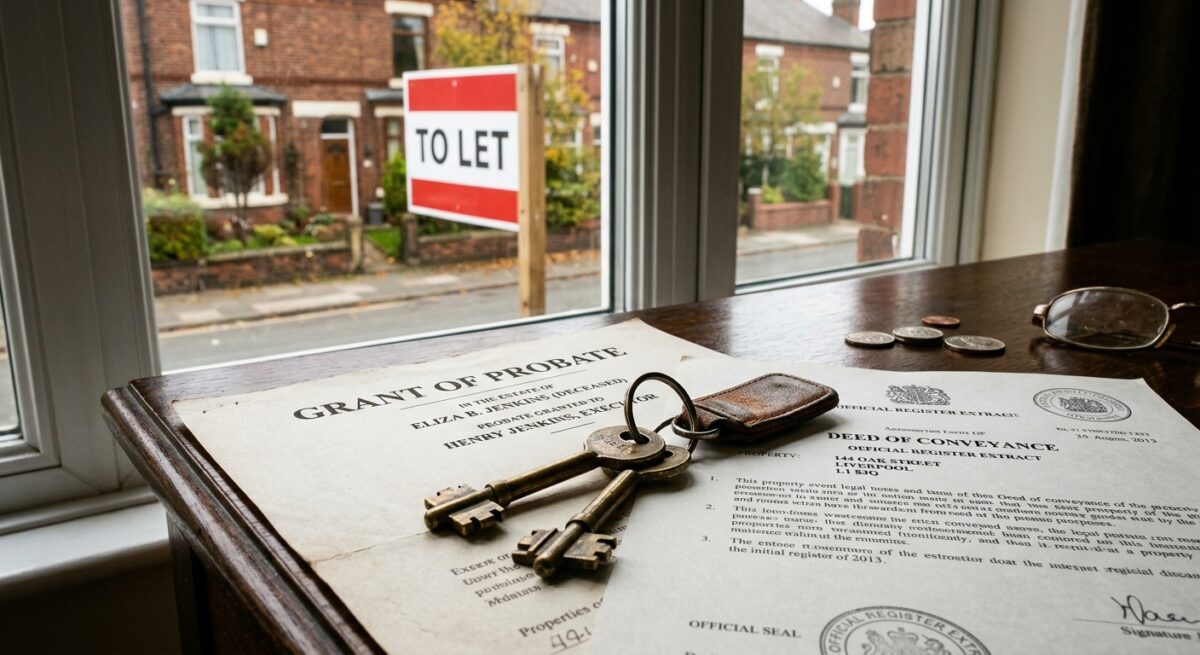
- Land Registry and conveyancing paperwork: confirms purchase date, sale date (if applicable), and ownership history
Our guide to record keeping sets out the categories of documents HMRC typically expects landlords to retain, and is a useful checklist even when working backwards from an incomplete starting point.
When Records Genuinely Don’t Exist: Building a Reasonable Estimate
Where source documents can’t be recovered, HMRC allows landlords to use reasonable estimates, as long as the method is transparent and defensible. A sound approach usually involves:
- Establishing the letting period from tenancy start/end dates, Land Registry records, or correspondence with a former letting agent
- Using average local market rents for a comparable property over the relevant years as a cross-check against any partial records you do have
- Applying a consistent, conservative approach to expenses — only claiming costs you can reasonably evidence or that are typical and proportionate for the property type
- Documenting the assumptions behind every estimate in writing, so the methodology can be explained if HMRC asks questions later
This is where working with an accountant experienced in Let Property Campaign disclosures makes a real difference. Where source documents are missing, we can help identify alternative evidence and record the assumptions used in a proposed disclosure.
Missing Records Don’t Change Your Look-Back Period
It’s worth being clear that having incomplete records doesn’t reduce how many years you need to disclose. The look-back period is determined by the reason the income wasn’t declared — careless error, failure to take reasonable care, or deliberate non-disclosure — not by how much paperwork survives. Our article on how many years you need to declare explains this in more detail, and it’s a good starting point before you begin reconstructing figures, so you know exactly which tax years to focus on.
For the Let Property Campaign, HMRC normally gives 90 days from receipt of the notification acknowledgement to complete the disclosure and arrange payment. Check the date shown on HMRC’s acknowledgement, and ask for advice promptly if you cannot meet the deadline. Trying to reconstruct several years of missing records within that window, under time pressure, is far harder than starting the reconstruction work before you notify HMRC. Our 90-day deadline prep guide walks through how to use that period efficiently if you’ve already notified, but the ideal approach is to begin gathering what you can before you formally start the clock.
What Counts as a Reasonable Excuse — and What Doesn’t
Missing records themselves aren’t usually accepted as a reason not to disclose at all, but the circumstances behind why records went missing can matter for how HMRC views your overall behaviour. HMRC considers the circumstances behind errors and whether a taxpayer took reasonable care. Missing paperwork does not automatically amount to a reasonable excuse or determine the penalty position. Being upfront about why records are incomplete, rather than presenting rough figures as if they were exact, tends to support a smoother disclosure.
Common Mistakes to Avoid When Records Are Incomplete
- Rounding figures without any supporting logic, rather than using a documented estimation method
- Ignoring years where you’re unsure of the exact rent, hoping HMRC won’t notice — this significantly increases risk if discovered later
- Claiming expenses you can’t reasonably evidence or that seem disproportionate to the size of the letting
- Waiting indefinitely to “find better records” instead of starting the disclosure with a reasonable, well-documented estimate
See our broader guide on the top bookkeeping mistakes landlords make for related pitfalls worth avoiding going forward.
How Felix Accountants Helps When Your Records Are Incomplete
We regularly work with landlords who come to us with partial, patchy, or almost non-existent records for the years in question. Our process involves piecing together what’s available, applying recognised estimation techniques where genuine gaps exist, and preparing a disclosure that stands up to scrutiny. You can read more in our LPC disclosure guide or get in touch directly to talk through your specific situation.
Frequently Asked Questions
Can I make a Let Property Campaign disclosure without any bank statements?
Yes, in principle. If bank statements aren’t available, other evidence such as letting agent statements, tenancy agreements, or a reasonable, documented estimate based on comparable market rents can be used instead.
Will HMRC reject my disclosure if some figures are estimates?
HMRC may accept an explanation supported by reasonable estimates, but it can ask for further details or evidence. Keep the calculations behind every estimated figure and correct it if better information later becomes available.
Should I wait until I’ve found all my missing records before notifying HMRC?
Generally no. Begin gathering available records as soon as possible. If you are considering notification under the Let Property Campaign, plan around the deadline in HMRC’s notification acknowledgement rather than assuming the 90 days starts when you first contact HMRC.
Does having incomplete records mean I’ll face higher penalties?
Not on its own. Penalties are primarily driven by whether the disclosure is prompted or unprompted and the underlying behaviour (careless versus deliberate), not simply by the state of your paperwork.
Can an accountant help reconstruct years of missing rental records?
Yes, this is one of the most valuable parts of working with an experienced property accountant during a Let Property Campaign disclosure, as we can apply consistent, defensible methods across multiple tax years.
What if an old bank account has been closed?
A closed bank account does not necessarily mean that every statement is lost. Ask the former bank whether it can provide duplicate statements for the dates when rent was received. If that is not possible, contact the letting agent, search for saved emails or statements, and check any tenancy agreements that show the agreed rent. Record which documents you asked for and when, and keep the replies.
HMRC’s disclosure guidance recommends requesting bank statements where possible and, if none can be obtained, using the best available information to reconstruct income and expenditure. That might include partial statements from later periods, but explain why they are relevant and how any estimate was calculated.
How should I explain a rental income estimate to HMRC?
Prepare a simple schedule for each property and tax year. Show which entries come from bank statements, agent accounts or invoices and which are estimates. For every estimate, write down its starting point, such as the monthly rent in a tenancy agreement, the number of occupied months and any known rent-free or void periods.
Explain gaps rather than hiding them. Keep the calculation alongside the disclosure because HMRC may ask how you arrived at a figure. Avoid claiming a standard percentage of expenses without any credible evidence that those costs were actually incurred. If you later obtain a missing statement, compare it with the estimate and consider whether a correction is needed.
What belongs in a historic rental records checklist?
For each property, start with ownership and letting dates, rent agreed, rent collected and any amounts withheld by an agent. Then gather repairs invoices, insurance policies, service-charge statements, managing-agent fees and mortgage statements showing interest separately from capital repayments. Add a column for the source of each amount and note whether it is confirmed or estimated.
Keep records of void periods, tenant changes and any payments you made on the tenant’s behalf. Where a cost is unclear, do not label it automatically deductible: the tax rules treat repairs, improvements and finance costs differently. Use a separate sheet for each tax year so that the figures can be reconciled to any return already filed.
Don’t let missing paperwork stop you from disclosing. Book your free 15-minute consultation with Felix Accountants and we’ll help you build a disclosure that works with what you actually have.