
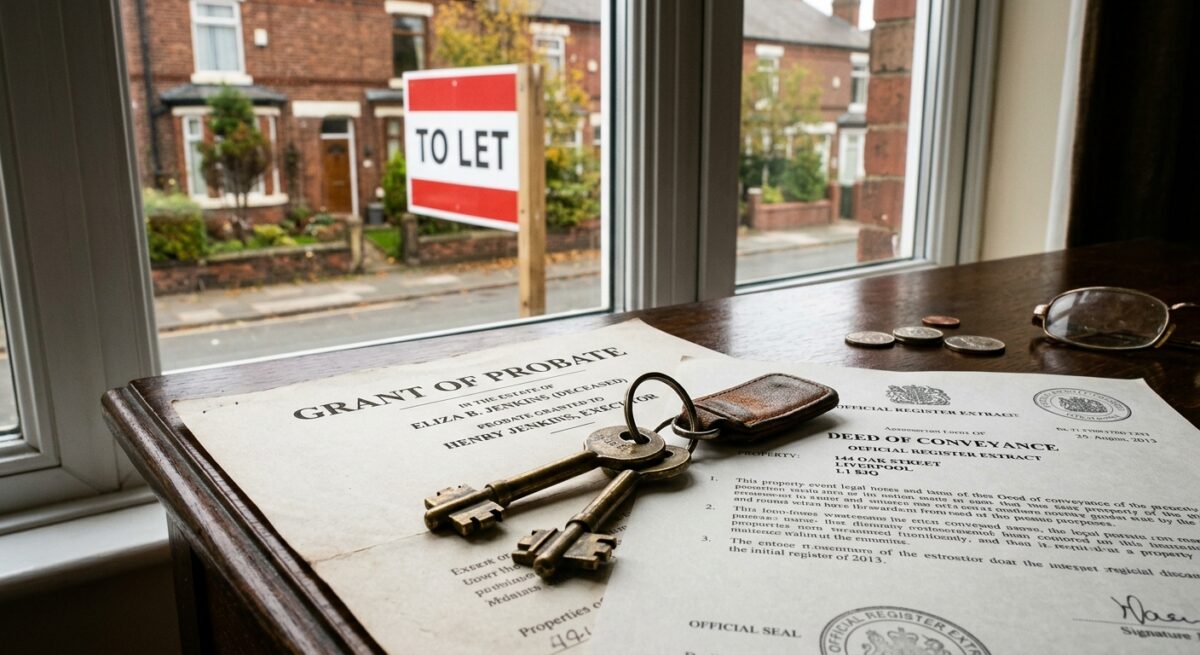
Inheriting a rental property brings its own particular set of tax questions, and they don’t always arrive at a convenient time — often in the middle of dealing with probate, grief, and a range of other practical matters. Two distinct situations tend to come up: discovering that the person who died had undeclared rental income of their own, and working out your own tax position once you become the new landlord. Both are manageable, but each involves a slightly different process.
Inherited a rental property and not sure where the tax position stands? Book a free 15-minute consultation with Felix Accountants. Book your free call here.
Situation One: The Deceased Had Undeclared Rental Income
If, while dealing with the estate, you discover that the person who died had rental income that was never declared to HMRC during their lifetime, this generally becomes a matter for the estate to resolve, typically handled by the executor or personal representative as part of the estate administration process. This isn’t the same as the beneficiary’s own Let Property Campaign disclosure — it relates to the deceased’s own historic tax position and is generally corrected before the estate can be finalised and distributed to beneficiaries.
Executors have a legal duty to ensure the deceased’s tax affairs are in order before completing the estate administration, and outstanding tax liabilities, including undeclared rental income, are generally paid from the estate’s assets before distribution. If this is discovered, it’s worth addressing it promptly, since delaying can hold up probate and the eventual distribution of the estate to beneficiaries.
Situation Two: Your Own Rental Income From an Inherited Property
If you’ve inherited a property and decided to keep letting it out, you become responsible for reporting the rental income from the date you inherited it — typically the date of death, or the date the property was formally transferred to you, depending on the specific circumstances of the estate administration. This is exactly the kind of situation that creates “accidental landlords,” and it’s a common pathway into needing a Let Property Campaign disclosure a few years down the line if the reporting obligation wasn’t recognised at the time. Our guide on being an accidental landlord covers this pattern more generally.
Why Beneficiaries Sometimes Miss This Obligation
It’s genuinely easy to overlook. Many beneficiaries inherit a share of a property alongside other assets and don’t think of themselves as “becoming a landlord” in any formal sense, particularly where a letting agent continues managing the property much as before. But from a tax perspective, inheriting a share of a let property and continuing to receive rental income creates the same reporting obligation as buying a rental property outright.
The Probate Value and Its Relevance
When a property is inherited, its market value at the date of death (the “probate value”) becomes the new base cost for Capital Gains Tax purposes for the beneficiary — this is a completely separate matter from Income Tax on rental profits, but it’s worth understanding both together since they often surface at the same time. If the property is later sold, Capital Gains Tax is calculated based on the increase in value from the probate value, not from whatever the original deceased owner originally paid for it.
What If the Property Is Jointly Inherited?
Where a property is inherited by multiple beneficiaries — siblings, for example — each beneficiary is generally responsible for reporting their own share of the rental income, based on their share of the inheritance. This is similar in principle to any other jointly owned property, and each beneficiary would typically need to consider their own disclosure if the income wasn’t reported from the start.
Working Out How Many Years Are Involved
If you’ve been receiving rental income from an inherited property for several years without declaring it, the look-back period generally follows the same principles as any other Let Property Campaign disclosure — based on the reason for non-disclosure rather than the fact that the property was inherited. Our guide on how many years you need to declare explains this in more detail. Genuinely not realising that inheriting a share of a let property created a personal reporting obligation is a common and understandable scenario, and typically falls into the more lenient end of the behaviour spectrum, provided the disclosure is made voluntarily once identified.
Inheritance Tax Considerations Alongside Income Tax
Separately from the ongoing rental income question, inherited property is often relevant to the estate’s Inheritance Tax position, and if the property continues to generate income for the estate before it’s formally distributed, that income may need to be reported by the estate itself during the administration period. Our guides on Inheritance Tax planning for property owners and IHT and trust planning cover this wider context.
What Records You’ll Need
- The grant of probate and the date the property was formally inherited or transferred
- The probate value of the property, for future Capital Gains Tax purposes
- Rental income and expense records from the date you began receiving income personally
- Details of any co-beneficiaries and their respective shares, if the property is jointly inherited
Our record keeping guide covers the broader documentation landlords should retain.
How Felix Accountants Can Help
We help beneficiaries work through both sides of this situation — resolving a deceased relative’s historic undeclared rental income as part of estate administration, and establishing your own correct tax position going forward if you’ve continued to let an inherited property. Both situations are common, manageable, and rarely as complicated as they first feel once someone experienced walks you through the specifics.
Frequently Asked Questions
Who is responsible for a deceased person’s undeclared rental income?
This generally becomes a matter for the estate, typically handled by the executor as part of finalising the deceased’s tax affairs before the estate is distributed to beneficiaries.
Do I need to declare rental income from a property I inherited but haven’t sold?
Yes, if you’re receiving rental income from the property, you’re responsible for reporting it from the point you inherited it, in the same way as any other rental property you own.
What is the probate value and why does it matter?
It’s the property’s market value at the date of death, which becomes your new base cost for Capital Gains Tax purposes if you later sell the property.
If several siblings inherit a property together, who reports the rental income?
Each beneficiary is generally responsible for reporting their own share of the rental income, based on their share of the inheritance.
Is it common for beneficiaries to genuinely not realise they need to declare this income?
Yes, this is a common and understandable situation, particularly where a letting agent continues managing the property. Coming forward voluntarily once you realise is generally treated favourably.
Let’s work through your inherited property’s tax position. Book your free 15-minute consultation with Felix Accountants.