
Finding your business placed on an HMRC watchlist is a serious financial emergency. When His Majesty’s Revenue and Customs targets you, your routine operations face severe disruption. The tax authority monitors your transactions, visits your premises, and audits your filings with intense scrutiny.
If you suspect you are under investigation, you must act quickly. Ignoring the warning signs only increases your exposure to back taxes, interest, and criminal prosecution.
Understanding the HMRC Watchlist Programs
The tax authority uses two primary monitoring systems to track high-risk taxpayers. While many people refer to these collectively as a watchlist, they operate under different legal frameworks.
The Managing Serious Defaulters Programme
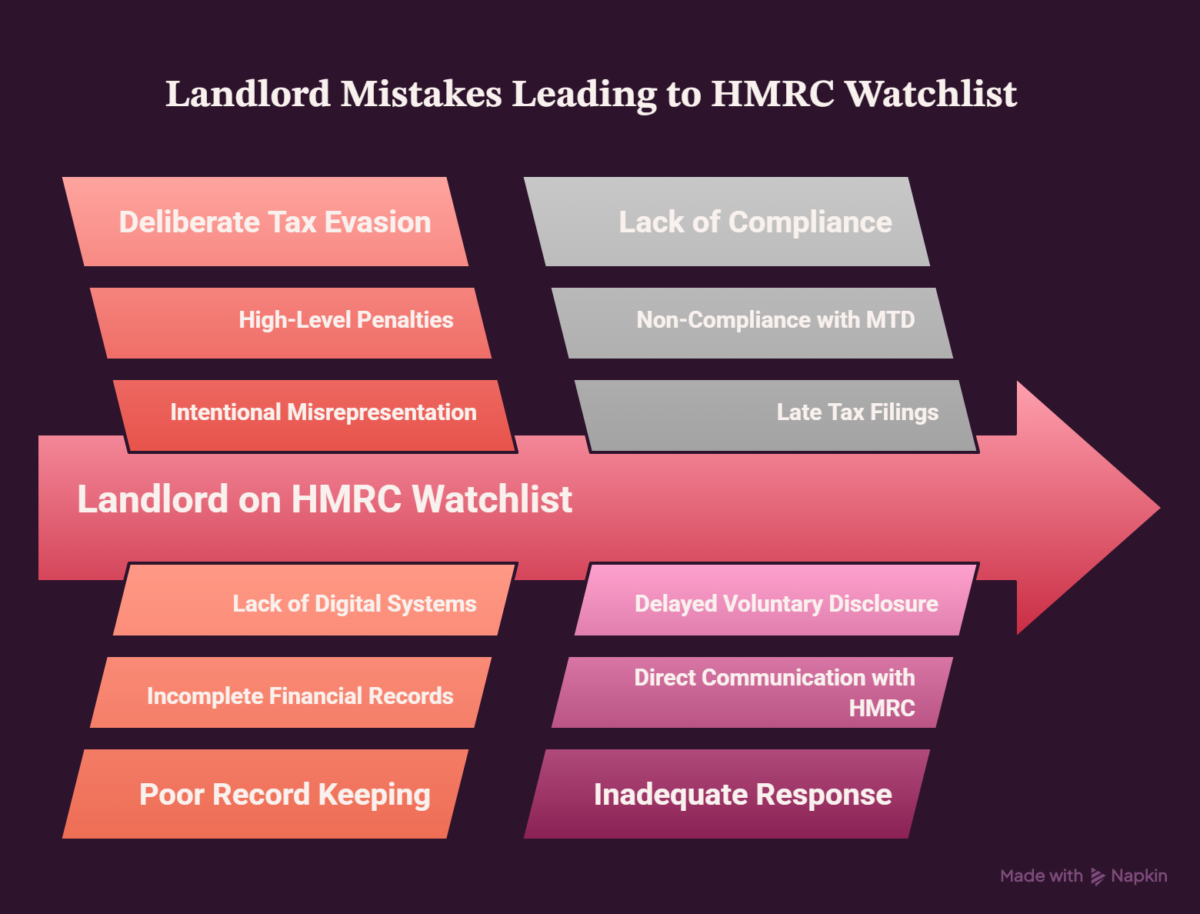
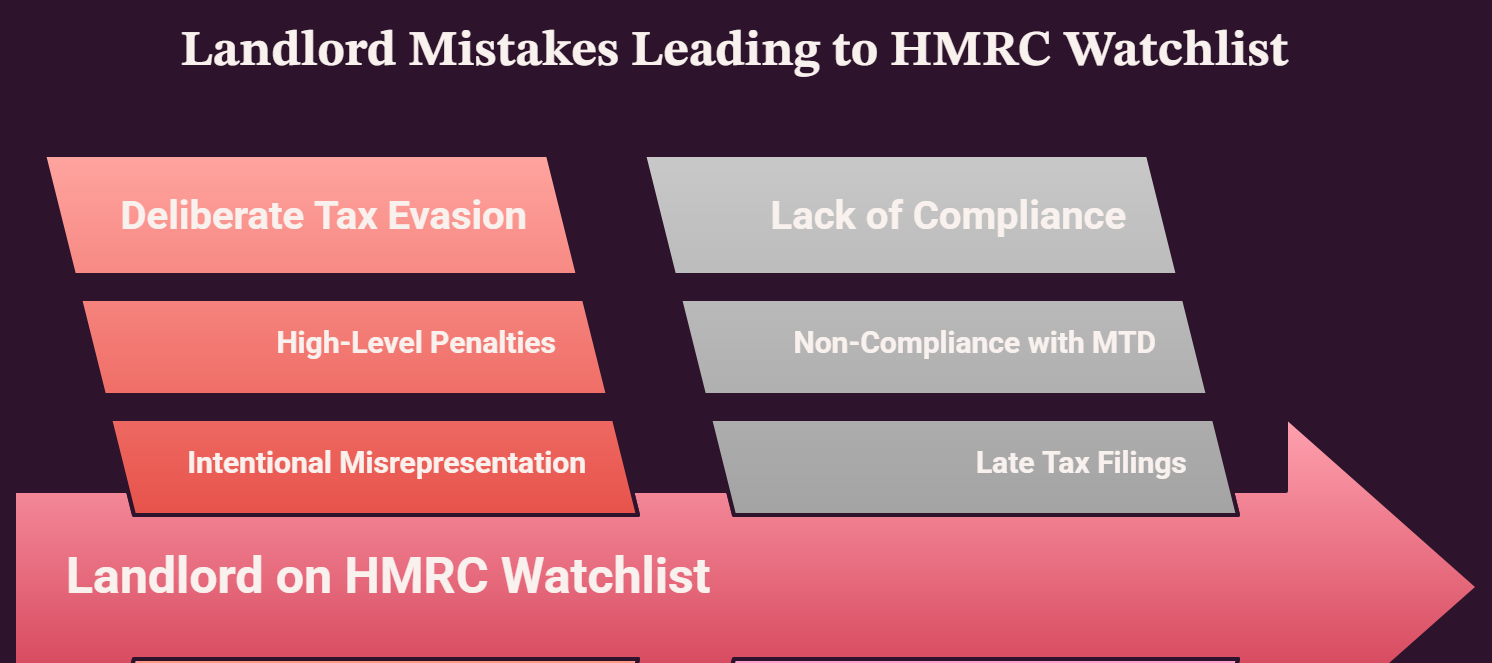
The Managing Serious Defaulters (MSD) program is an intensive, non-public monitoring regime. HMRC places you in this category if you have committed deliberate tax evasion or received high-level penalties.
Under MSD monitoring, you lose your right to file simplified tax returns. Instead, you must submit exhaustive financial records for up to five years. Officers frequently conduct unannounced physical inspections of your business premises.
The Publishing Details of Deliberate Defaulters List
If your deliberate defaults exceed £25,000, HMRC can publish your details on their official website. This public list remains online for exactly 12 months. The published information includes your name, business address, industry, and the exact penalty amount. This public exposure can destroy your professional reputation and invalidate your commercial credit terms.
How to Handle an HMRC Watchlist Investigation
If you are placed on a monitoring list, you must take immediate steps to protect your assets. The following workflow shows how to systematically address an active enquiry.
1. Appoint a Specialist Tax Representative: Immediate.
Do not communicate with investigators directly. Retain a qualified tax dispute lawyer or a chartered accountant who specializes in HMRC investigations to handle all correspondence.
2. Conduct a Voluntary Internal Audit: Within 14 Days.
Review your financial records for the last six years. Identify any discrepancies in your VAT, PAYE, or Corporate Tax returns before investigators point them out.
3. Submit an Unprompted Disclosure: Before Findings Finalise.
If you discover errors, disclose them to HMRC voluntarily. Making an unprompted disclosure significantly lowers your overall penalty rate and can keep you off the public defaulters list.
4. Implement Strict Compliance Systems: Ongoing.
Install digital accounting software that complies with Making Tax Digital (MTD) rules. Keep perfect transaction records and submit all future returns ahead of schedule.
Key Differences in HMRC watchlist Monitoring Regimes
The table below outlines the operational differences between standard tax compliance checks and active watchlist monitoring.
| Feature | Standard Compliance Check | Active Watchlist Monitoring |
| Public Disclosure | None | Public name-and-shame for deliberate defaults over £25k |
| Duration of Tracking | Ends when the check closes | Typically 2 to 5 years under the MSD program |
| Inspection Frequency | Pre-arranged visits | Unannounced spot checks of premises |
| Record Requirements | Standard statutory books | Full, non-simplified returns with detailed ledgers |
| Average Penalty Range | 0% to 30% of tax owed | 35% to 100% (or up to 200% for offshore issues) |
Avoiding Common Triggers for Special Monitoring
HMRC selects targets using a sophisticated data-matching system called Connect. This software cross-references your bank accounts, property registries, credit card transactions, and online sales data.
To keep your business off their radar, avoid these common red flags:
- Consistently filing returns late or making frequent retroactive amendments.
- Showing lifestyle assets or property purchases that do not align with your declared personal income.
- Declaring zero profits or claiming continuous tax losses for multiple consecutive years.
- Failing to reconcile your digital payment processor receipts with your bank deposits.

HMRC’s Watchlist
Frequently Asked Questions
How do you know if HMRC watchlist are investigating you?
HMRC will formally notify you by sending an opening enquiry letter in the post. This letter specifies the tax years and returns under review. It also requests detailed financial documentation to support your filings. You will not receive prior warning before this official notification arrives.
How far back can HMRC go in an audit?
If you made an honest mistake, HMRC can review your records up to four years back. For careless errors, the limit extends to six years. However, if they suspect deliberate tax fraud or evasion, they can audit your accounts up to 20 years back.
What triggers an HMRC tax investigation?
An investigation is usually triggered by anomalies flagged by HMRC’s Connect data-matching software. Common triggers include declaring sudden drops in income, reporting continuous business losses, and omitting offshore assets. Discrepancies between your VAT submissions and bank accounts also draw attention.
Can you stop an HMRC compliance check?
You cannot legally block an active HMRC compliance check once it starts. However, you can apply for Alternative Dispute Resolution (ADR) if you disagree with their methodology. You can also appeal formal information notices if the requested data is irrelevant to the tax period.
What is the penalty for deliberate tax evasion in the UK?
Penalties for deliberate tax evasion range from 35% to 100% of the unpaid tax liability. If the evasion involves offshore assets, the fine can reach 200%. Furthermore, the tax authority can initiate criminal prosecutions leading to prison sentences.
How long does a serious tax investigation take?
A standard aspect check often concludes within three to six months. In contrast, a serious fraud or deliberate evasion investigation can last between one and three years. The duration depends on the complexity of your accounts and how cooperatively you provide the requested records.
Who gets put on the HMRC watchlist deliberate defaulters list?
HMRC places individuals and businesses on this public list if they deliberately understate their tax obligations. The defaults must involve more than £25,000 in unpaid tax. You can avoid publication by making a full, cooperative disclosure before HMRC closes the investigation.
What happens during an HMRC watchlist fraud investigation?
Investigators will examine your financial statements, bank records, and physical assets with extreme scrutiny. They may conduct unannounced site visits, interview you under caution, or secure search warrants. The process ends with either a formal tax settlement or criminal prosecution.
| Mistakes Landlords Make That Can Land Them on HMRC’s WatchlistBook Your Comprehensive Property Tax Review |