
When you start a new property venture, it is tempting to handle every single task yourself. You might be bootstrapping, trying to minimize expenses while navigating initial growth. You handle company registration, website design, tenant screenings, and bookkeeping. However, as your portfolio expands, the operational demands on your time multiply rapidly. Moving from working in your business to working on your business requires a reliable property system to sustain expansion.
Successful property investors view their operations as an entity distinct from their individual identity. They design systematic frameworks that allow their businesses to run smoothly without requiring their constant, hands-on intervention.
Value-Based Time Allocation
Every daily task carries a different notional value. Some operational duties are worth ten pounds an hour, while high-level strategic acquisitions are worth one thousand pounds an hour.
To achieve sustainable scale, you must dedicate your focus to those high-value, thousand-pound activities. This shift means intentionally shifting lower-value administrative tasks to external specialists or trusted software tools.
| Task Level | Value Per Hour | Typical Examples | Operational Treatment |
| Low | £10 – £20 | Initial lead entry, social media posting, filing receipts | Automate or delegate to freelancers |
| Medium | £50 – £100 | Documenting standard procedures, detailed deal analysis | Delegate to specialized team members |
| High | £1000+ | Strategic joint ventures, capital raising, final acquisition decisions | Retain for principal investor |
Core Elements of a Scalable Property System
Delegating tasks before establishing clear processes often leads to costly organizational errors. Before hiring assistants on platforms like Fiverr, Upwork, or People Per Hour, you need to document exactly how you want each operation performed. Clear documentation ensures external support delivers work that matches your personal standards.
1. Documenting Lead Sourcing Procedures
Create an exact checklist detailing how your business sources potential real estate leads. Specify the target geographic areas, maximum purchase thresholds, and acceptable rental yield percentages. When a freelancer understands these parameters, they can filter out irrelevant opportunities, leaving you with highly qualified options.
2. Standardizing Bookkeeping and Compliance
Accurate financial record-keeping keeps your business compliant with regulatory changes. For example, HMRC requires landlords with gross property income exceeding fifty thousand pounds to register for Making Tax Digital (MTD) by April 2026. Having a standardized process for scanning receipts and recording rental income prevents severe penalties.
Important Operational Rule: Always separate your personal and business expenditures completely to avoid accounting complications and potential regulatory scrutiny.
1.Audit Current Time Use:
Week 1.
Track every task you perform for seven days to identify low-value administrative friction points.
2.Draft Standard Operating Procedures:
Week 2.
Write step-by-step instructions for tasks like tenant communications and basic expense tracking.
3.Select Your Outsourcing Platform:
Week 3.
Create accounts on Upwork or specialized virtual assistant platforms to find matching talent.
4.Implement Quality Control Metrics:
Ongoing.
Review the completed work against your documented standards weekly to refine the operational loop.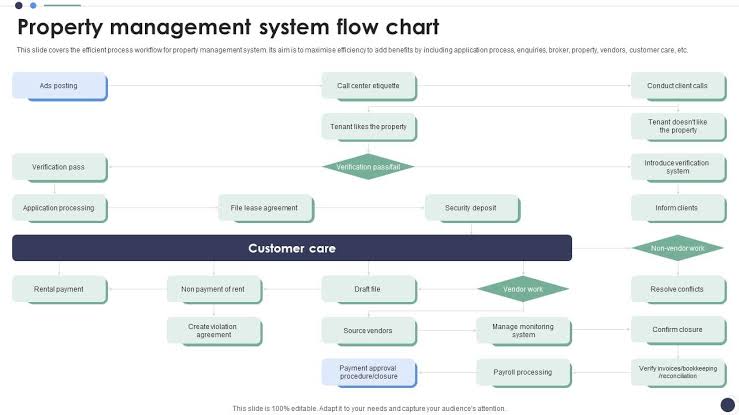
Frequently Asked Questions
What happens if a small business tax makes a mistakes?
If your venture files an inaccurate tax return, HMRC sends a formal notification outlining the financial discrepancy. You will face standard interest charges on the unpaid balance, along with potential penalties calculated based on whether the error was accidental or deliberate. Implementing a secure property system minimizes these financial risks.
How many years can HMRC investigate?
The look-back period depends directly on landlord behavior. If you took reasonable care, HMRC looks back four years. For careless bookkeeping, the window expands to six years. Deliberate tax evasion or failure to notify allows an investigation going back twenty years.
Can HMRC find me after 20 years?
Yes, modern digital tracking makes discovery highly likely. The HMRC Connect system automatically cross-references Land Registry records, bank accounts, and council tax databases to expose undeclared rental streams. Relying on professional property system accounting ensures you do not trigger automated audits.
What if my rental business made a loss 5 years ago?
Legitimate historical property losses fall within the standard investigation window but do not create immediate tax liabilities. You can actively carry forward these documented losses to offset your future rental profits. Keeping your documentation updated via an organized property system protects these valuable deductions.
My partner and I aren’t married. How does that affect the tax?
If the property title belongs strictly to one individual, that person is liable for one hundred percent of the rental income tax. Jointly owned properties typically split the incoming tax obligations fifty-fifty. A structured property system maps these ownership structures to maintain precise tax compliance.
Does HMRC really know if I’m renting out my old flat?
Yes, automated data matching leaves clear digital trails. HMRC regularly tracks changing voter registries, tenancy deposit protection data, and mortgage classifications. An unannounced change in your address often triggers an automated warning letter if no rental income appears on your self-assessment.
I only plan to rent it for a year. Do I still need to tell HMRC?
Yes, all short-term rental income above the one thousand pound annual property allowance must be formally declared. Failing to notify the tax authority because of a short rental timeline still results in automated penalties. Consistent execution through a solid property system avoids these simple compliance oversights.
Can I deduct mortgage interest from my rental income?
Individual residential landlords cannot deduct mortgage interest payments directly from their rental earnings. The old deduction system has been replaced with a fixed twenty percent tax credit. Integrating your portfolio with a professional property system helps track how this restriction impacts higher-rate taxpayers.
If you want to free up your schedule and reduce administrative friction, visit Felix Accountants to establish a compliant framework for your growing business.
| Trying to do everything yourselfBook Your Comprehensive Property Tax Review |