
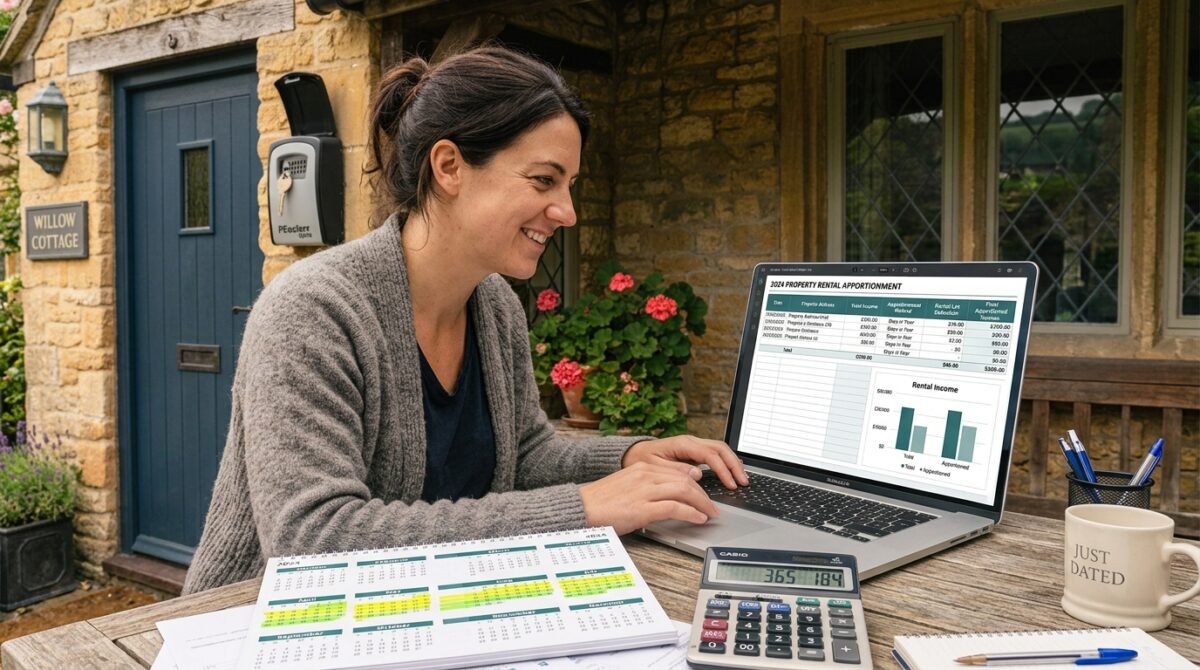
Very few rental properties are let smoothly from 6 April to 5 April every single year. Tenants move out and there’s a void period before the next one moves in; a property is bought or sold partway through the year; a landlord moves in for a few months between tenancies. When you’re putting together a Let Property Campaign disclosure covering several tax years, working out exactly how much income and which expenses relate to each part-year period is one of the more fiddly calculations — but getting it right matters, since it directly affects how much tax is due for each year.
Working through a disclosure with messy, part-year letting periods? Book a free 15-minute consultation with Felix Accountants. Book your free call here.
Why Part-Year Periods Come Up So Often in LPC Disclosures
Common reasons a property was only let for part of a tax year include:
- The property was purchased or sold partway through the tax year
- There was a void period between tenants, sometimes lasting several months
- The landlord lived in the property for part of the year before letting it out, or moved back in for a period
- The letting only began partway through the campaign’s relevant period, for example if the property was previously used differently
Each of these scenarios needs its own approach to correctly calculate the income and expenses that actually relate to the letting period, rather than the tax year as a whole.
Step 1: Establish the Exact Letting Dates
Before any calculation can begin, you need to pin down precisely when the letting period started and ended within each relevant tax year. This might come from tenancy agreements, a letting agent’s records, the completion date on a purchase or sale, or bank statements showing when rent first appeared. Where records are incomplete, a reasonable, clearly documented estimate is acceptable, provided the reasoning behind it is explained.
Step 2: Calculate Income for the Actual Letting Period Only
Only rent actually received (or due, if using the accruals basis) during the period the property was genuinely let should be included as rental income for that tax year. If a property was let from 1 October to 5 April in a particular tax year, only the rent relating to that six-month window counts as income for that year — not a full year’s worth of rent apportioned evenly, unless the actual rent received happens to align with that.
Step 3: Apportion Ongoing Costs Correctly
This is where part-year calculations get more technical. Some costs relate specifically to the letting activity and should only be claimed for the period the property was actually let or genuinely available to let; others are ongoing regardless of tenancy status and need a different treatment:
- Costs directly tied to the letting period: letting agent management fees, for example, generally only apply while a tenancy is active or the property is being actively marketed
- Costs that continue regardless of tenancy: mortgage interest, buildings insurance, and ground rent are often payable whether or not the property is currently tenanted, and can generally still be claimed for the full ownership period within the tax year, including reasonable void periods, as long as the property was genuinely held as part of a rental business rather than for personal use
- Costs relating to personal use periods: if the property was genuinely used as a personal residence for part of the year, expenses relating to that period generally can’t be claimed against rental income at all
Our detailed guides on property expenses and allowable expenses for property investors cover which costs fall into each category in more depth.
Void Periods: What Counts as “Still Let”?
A genuine void period — where the property is empty between tenants but still being actively marketed and available to let — is generally still treated as part of the rental business, meaning ongoing costs during that gap remain claimable. This is different from a period where the property was deliberately taken off the market, used personally, or left vacant with no active intention to re-let, which would generally break the continuity of the letting business for that portion of the year.
Worked Example
| Period | Status | Treatment |
|---|---|---|
| 6 April – 30 June | Tenanted (rent received) | Rent counted as income; full costs claimable |
| 1 July – 30 September | Void, actively marketed | No rental income; ongoing costs (mortgage interest, insurance) still claimable |
| 1 October – 5 April | Tenanted (new tenant, rent received) | Rent counted as income; full costs claimable |
In this example, the full tax year’s ongoing costs would generally still be claimable, while rental income only reflects the two tenanted periods.
What If the Property Was Bought or Sold Partway Through the Year?
Where a property was purchased or sold during a tax year covered by the disclosure, only the period of actual ownership and letting is relevant — there’s no rental income or expense claim for the period before purchase or after sale. If the sale itself wasn’t reported separately, it’s also worth checking whether a Capital Gains Tax reporting obligation applies alongside the Let Property Campaign disclosure; our Capital Gains Tax guide covers this side of the picture.
Documenting Your Approach
Because part-year calculations involve a degree of judgement — particularly around whether a void period counts as ongoing letting activity — it’s important to document the reasoning behind each apportionment clearly. This protects the disclosure if HMRC has questions later, and shows a consistent, defensible methodology rather than figures that were simply estimated without explanation. Our record keeping guide sets out what’s worth retaining to support this.
How This Fits Into the Wider Look-Back Calculation
Part-year calculations need to be done separately for each tax year within your disclosure period, since the letting pattern often differs from year to year. Our guide on how many years you need to declare explains how the overall look-back period is determined, and each of those years will typically need its own careful income and expense calculation if the letting pattern wasn’t consistent throughout.
How Felix Accountants Can Help
Part-year and void-period calculations are one of the more common sources of error in self-prepared Let Property Campaign disclosures. We help landlords work through each relevant tax year methodically, correctly apportioning income and expenses, and documenting the approach so the disclosure holds up to scrutiny. See our guide to landlord accounting for the broader calculation framework this sits within.
Frequently Asked Questions
Do I need to claim expenses for the whole tax year if my property was empty for part of it?
Generally yes, for ongoing costs like mortgage interest and insurance, provided the property remained genuinely part of your rental business — for example, being actively marketed during a void period rather than taken off the market entirely.
How do I calculate rent for a property let for only part of a tax year?
Only the rent actually received or due during the genuine letting period counts as income for that tax year — it shouldn’t be averaged or apportioned evenly across the full year unless that happens to reflect the actual amounts received.
What if I can’t remember exactly when a tenancy started or ended?
A reasonable, documented estimate is acceptable where exact dates can’t be confirmed, based on the best available evidence such as bank statements or correspondence with a letting agent.
Does a void period break my entitlement to claim mortgage interest relief?
Not usually, as long as the property remained genuinely available and marketed for letting during that period, rather than being used personally or withdrawn from the rental market.
Do I need to do this calculation separately for every tax year in my disclosure?
Yes, since the letting pattern often varies year to year. Each tax year within your look-back period generally needs its own income and expense calculation reflecting what actually happened that year.
Let’s get your part-year figures calculated correctly. Book your free 15-minute consultation with Felix Accountants.